
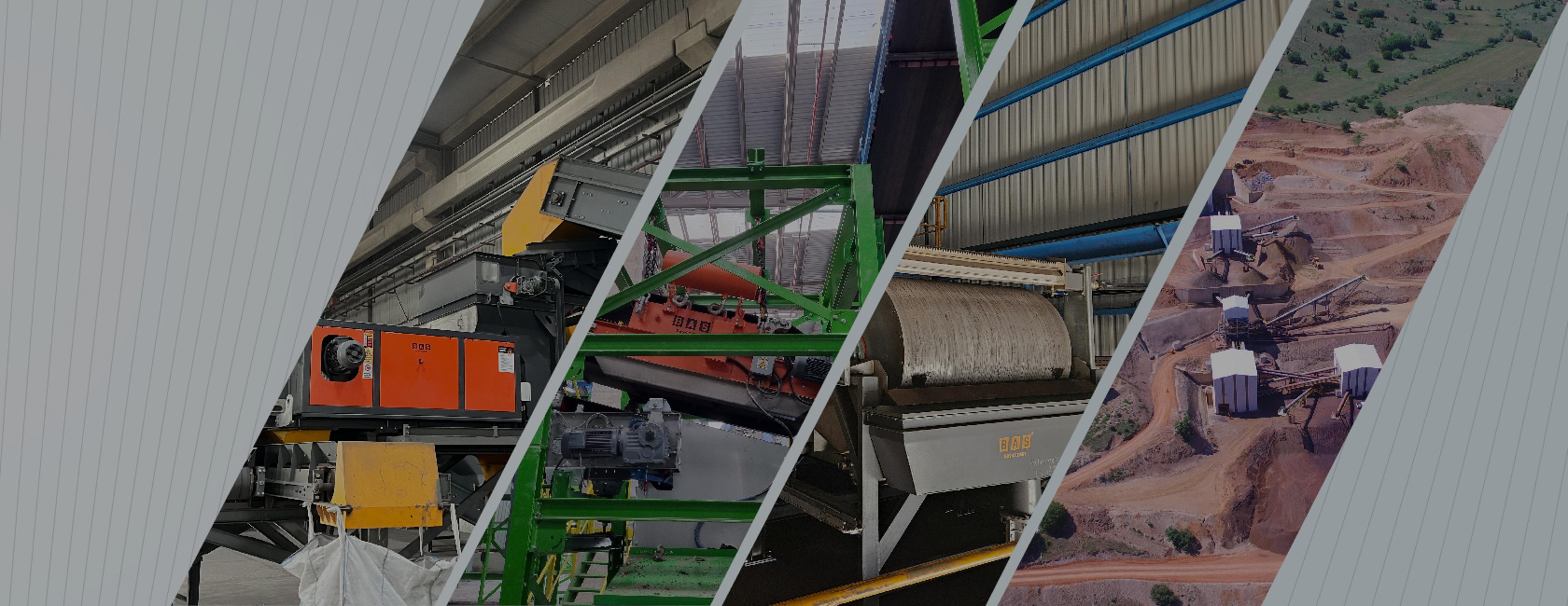
Slag Beneficiation Plants
Recovery of valuable metals and minerals from metallurgical slag using BAS separation technologies.
All Products
4 products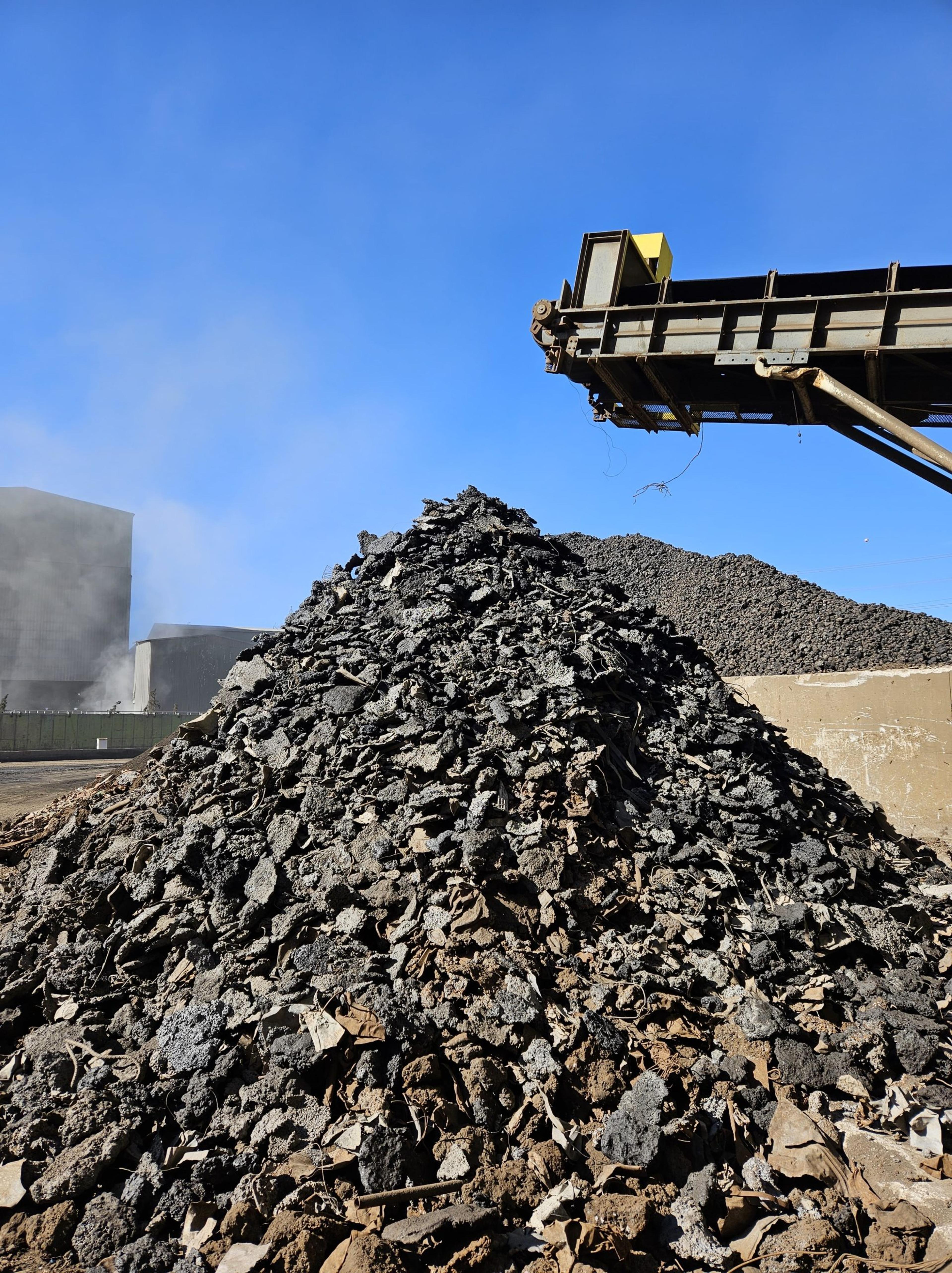 Slag Beneficiation Plants
Lump Iron & Steel Slag Beneficiation Applications
BAS provides slag-beneficiation process flow design, detailed engineering and correct separation steps as a turn-key scope to maximise iron recovery from the maximum possible mass. Accurate slag mineralogy, liberation particle-size determination and appropriate beneficiation testing are the main criteria for project success. In iron and steel slag projects, high-capacity multi-stage crushers, abrasion-resistant heavy-duty screens, high-capacity overband electromagnetic separators, and drum-type magnetic separators are used.
 Slag Beneficiation Plants
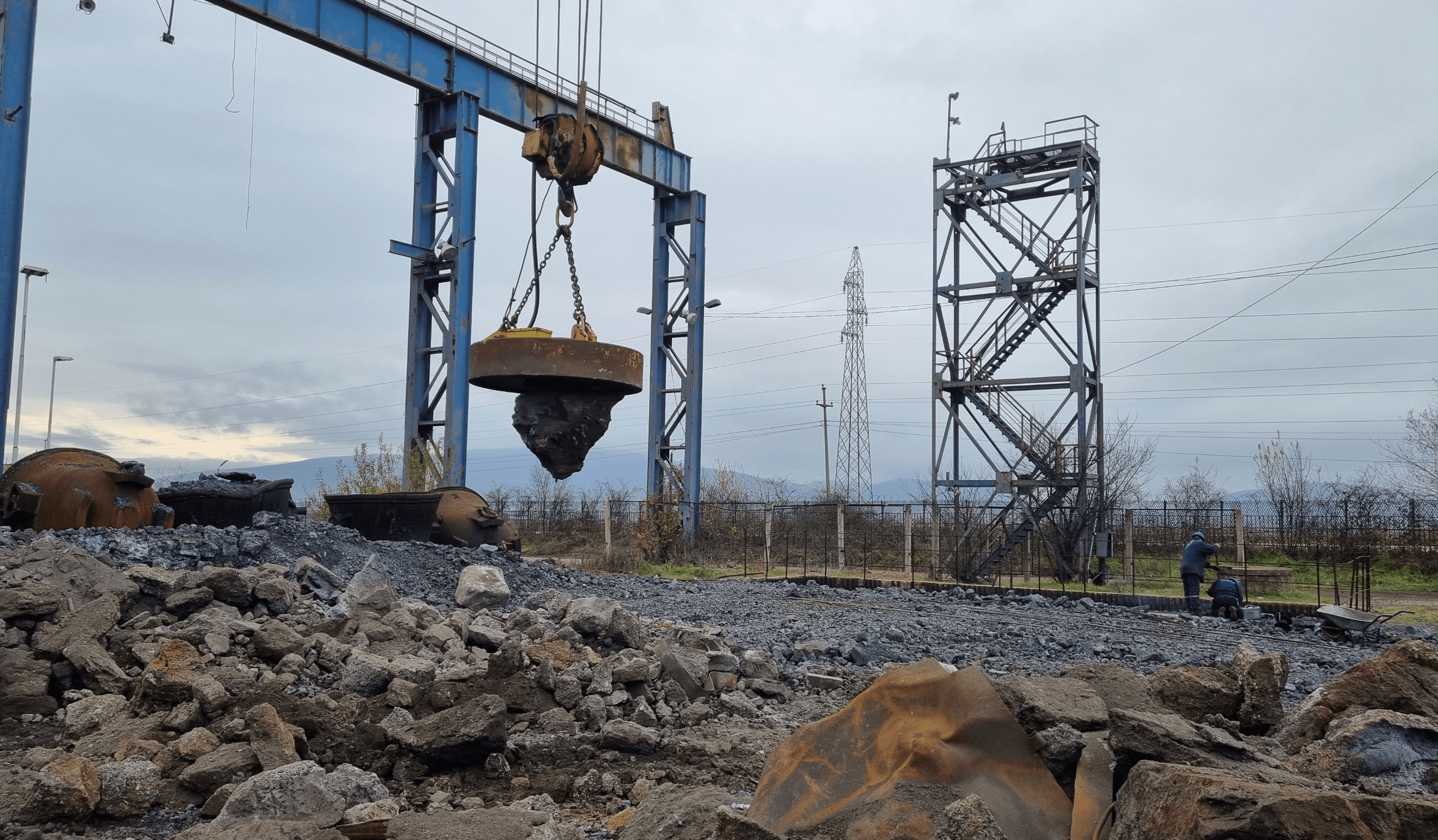
Ferronickel Slag Beneficiation Applications
BAS provides full process flow design, engineering, and the correct separation steps as a turn-key solution for slag recovery. Accurate mineralogical analysis, particle liberation degree, particle size distribution and the right beneficiation tests applied to the sample are the main criteria for project success.
 Slag Beneficiation Plants
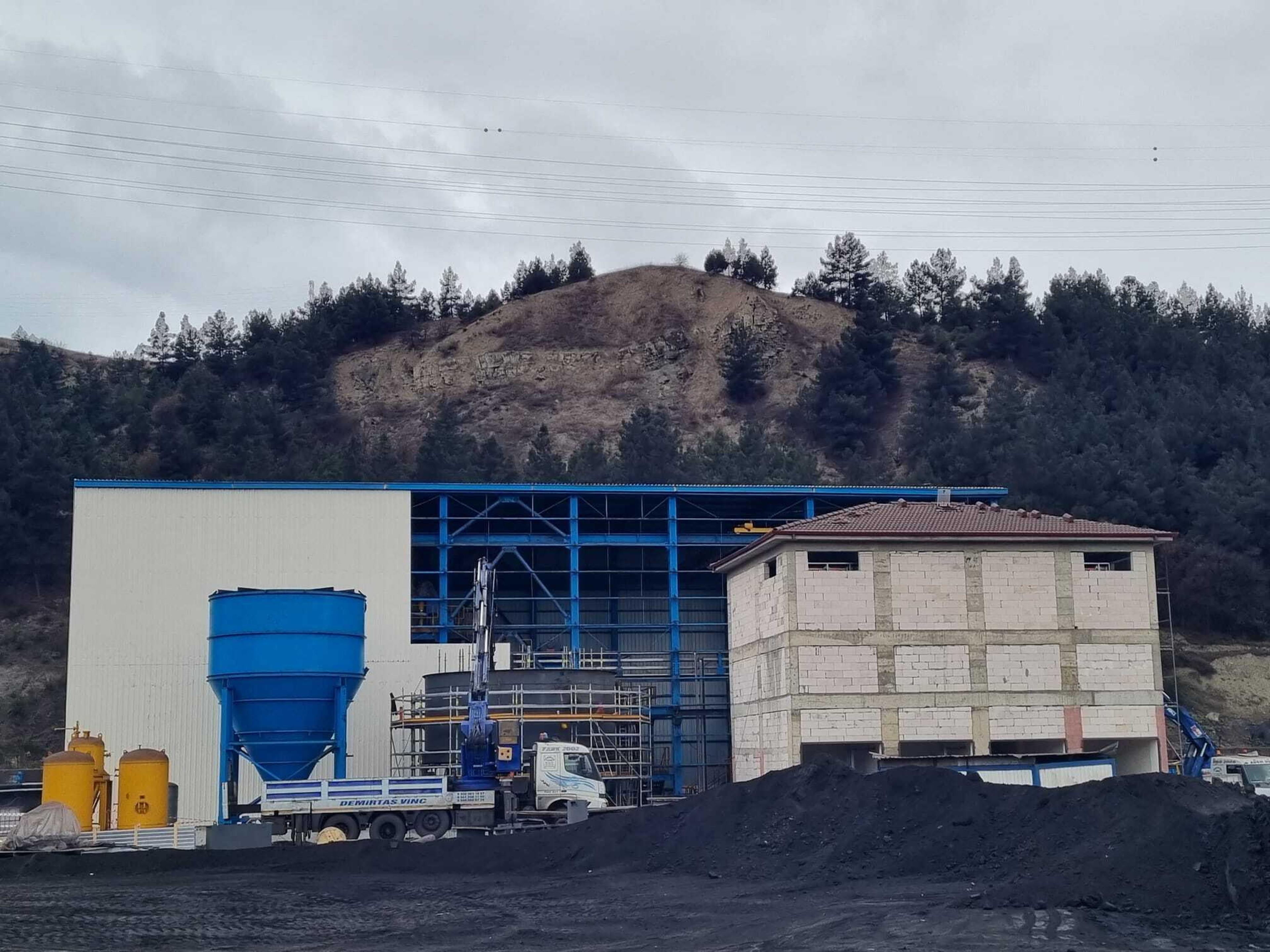
Micronized Iron & Steel Slag Beneficiation
The slag recovery plant covers steel-slag processing, recovery and filtration sections. In steelworks and foundry slag processing, all slag is ground and separated to recover raw material. Slag accumulated and continuously produced over the years can be recycled and re-introduced as raw material at plant standards.
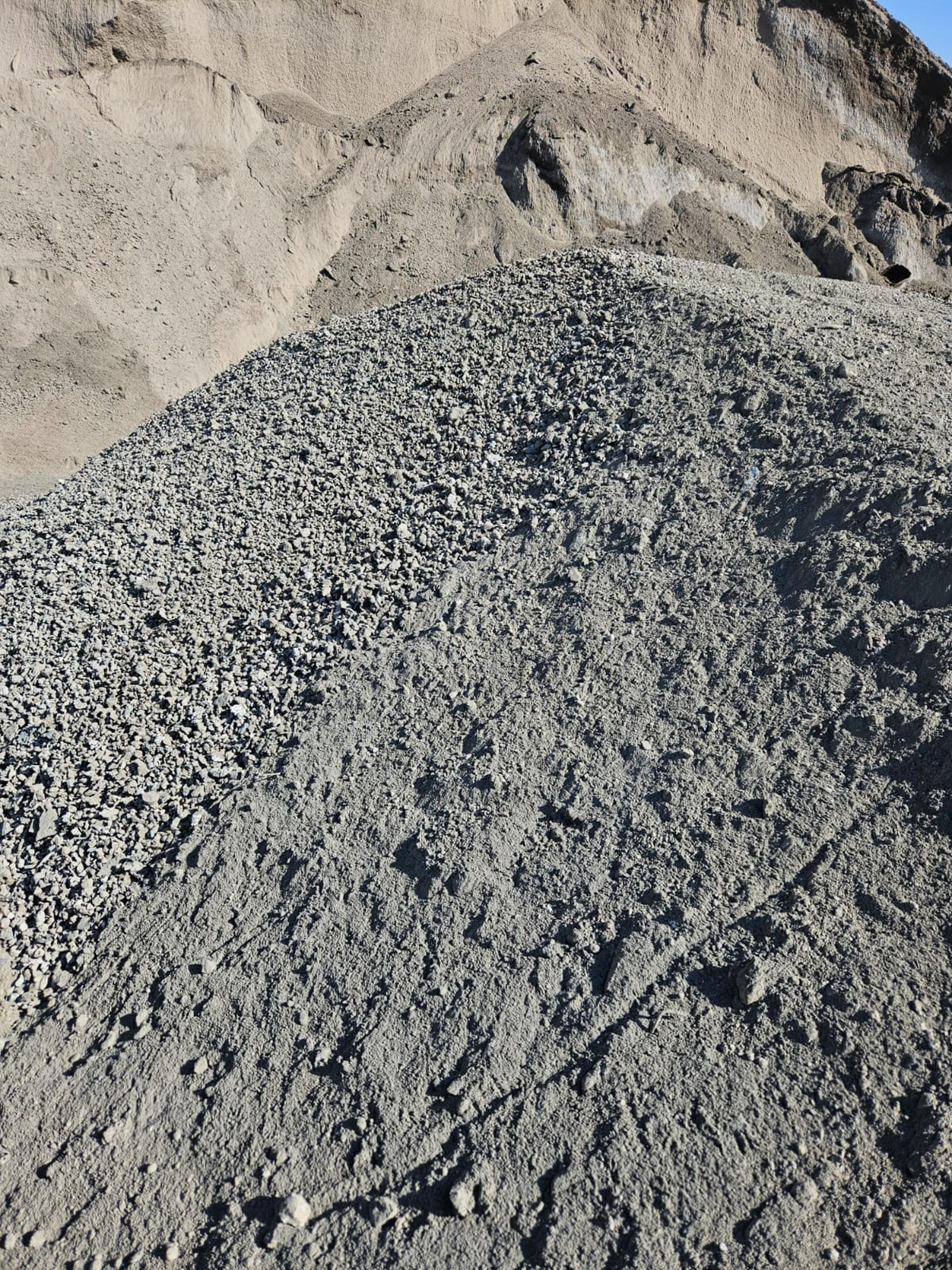 Slag Beneficiation Plants
Aluminium Slag Beneficiation
Aluminium slag consists of aluminium, aluminium oxide, scrap and alloying elements, plus other metal oxides, alkaline and halogenated compounds depending on the fluxes used. A defining feature of aluminium slag is that it traps metal droplets within lattice-like oxide structures, exhibiting thixotropic behaviour during melting. The trapped droplets are the main cause of metallic aluminium loss during melting. Recoverable metal content depends on melting, slag-cooling and slag-remelting operations. During cooling, thermite reactions of fine aluminium particles typically cause 1–2% per minute of metallic aluminium loss.