
Scrap Separation Plants
Scrap and recycling lines with high-efficiency separation of ferrous and non-ferrous metals.
Scrap sorting facilities form the cornerstone of metal recycling processes. In these facilities, the recycling of steel, aluminum, and other metals provides economic and environmental benefits in line with sustainability goals. Steel recycling encompasses the collection, sorting, sizing, and melting of ferrous scrap. Scrap sources are classified as old scrap from steel mills, rolling mills, production processes, and end-user consumption.
In scrap processing plants, sorting processes are applied according to the type of metal. Magnetic separation, eddy current separation, and heavy-pressure methods are used, particularly in the separation of metals such as stainless steel and aluminum. Manual sorting, while providing a high purity rate, is generally preferred in the final stage for quality control. Size reduction processes are applied to make scrap suitable for processing, increase bulk density, and release components.
All Products
2 products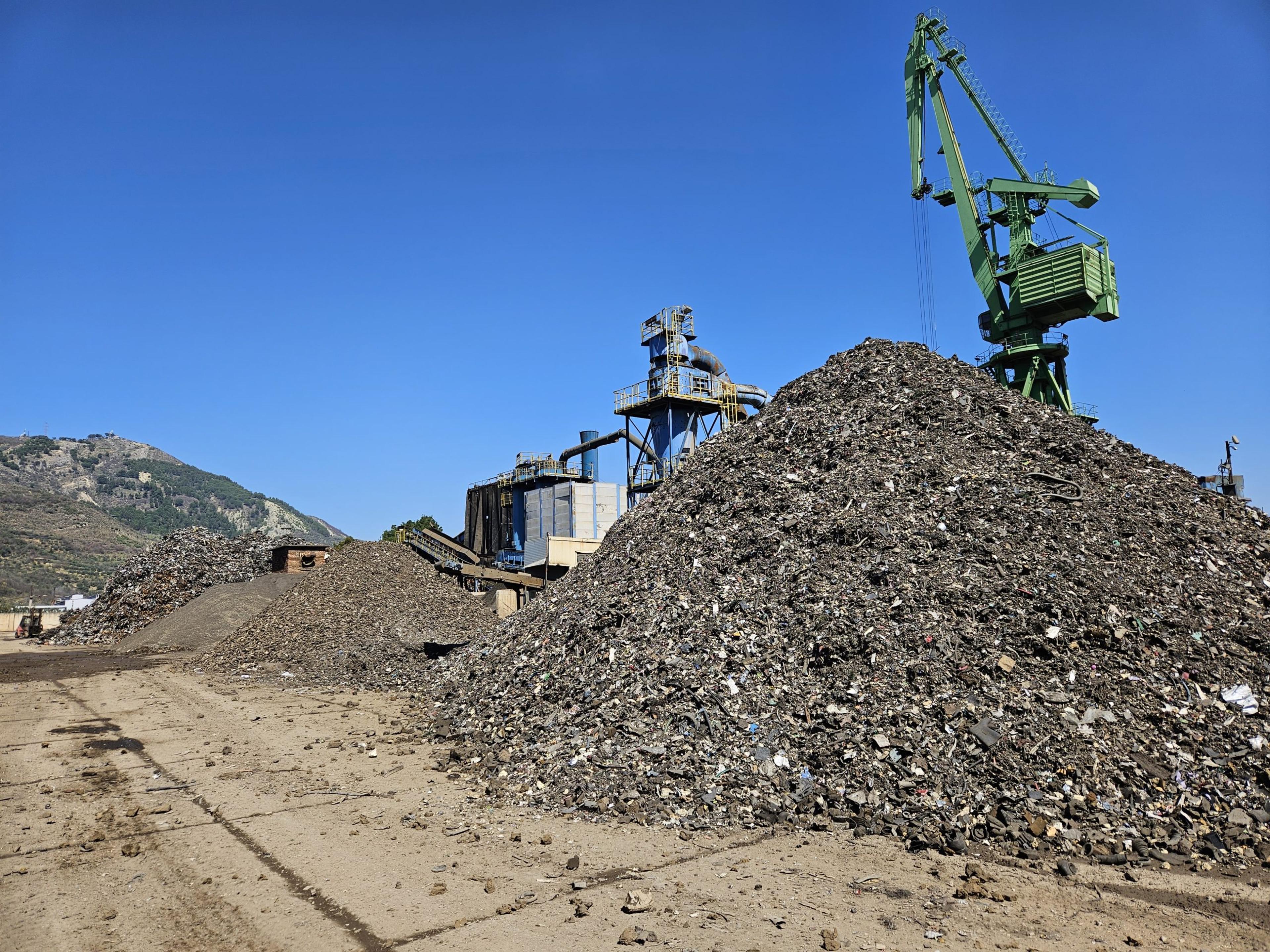 Scrap Separation Plants
Iron & Steel Scrap Recycling Plants
Steel recycling is a long-established industry and steel scrap is a highly valuable resource for both scrap processors and steel mills. Scrap sources can be classified as steelworks/rolling-mill scrap, scrap collected during steel processing (new scrap), and end-user/consumer scrap (old scrap). In general, iron and steel scrap recycling involves collection, sorting, sizing, shredding and finally remelting at the steel mill. Ferrous scrap is collected separately or mixed and then sorted at the scrap yard. At the recycling plant, scrap is separated by metal type and prepared for shredding/sizing. For stainless steel, larger pieces are collected separately or pre-sorted before shredding, while smaller particles are recovered through multi-stage separation. After magnetic separation, non-ferrous metals, stainless steel, and non-metallic fractions can be further recovered using heavy-media and/or eddy-current separation methods.
 Scrap Separation Plants
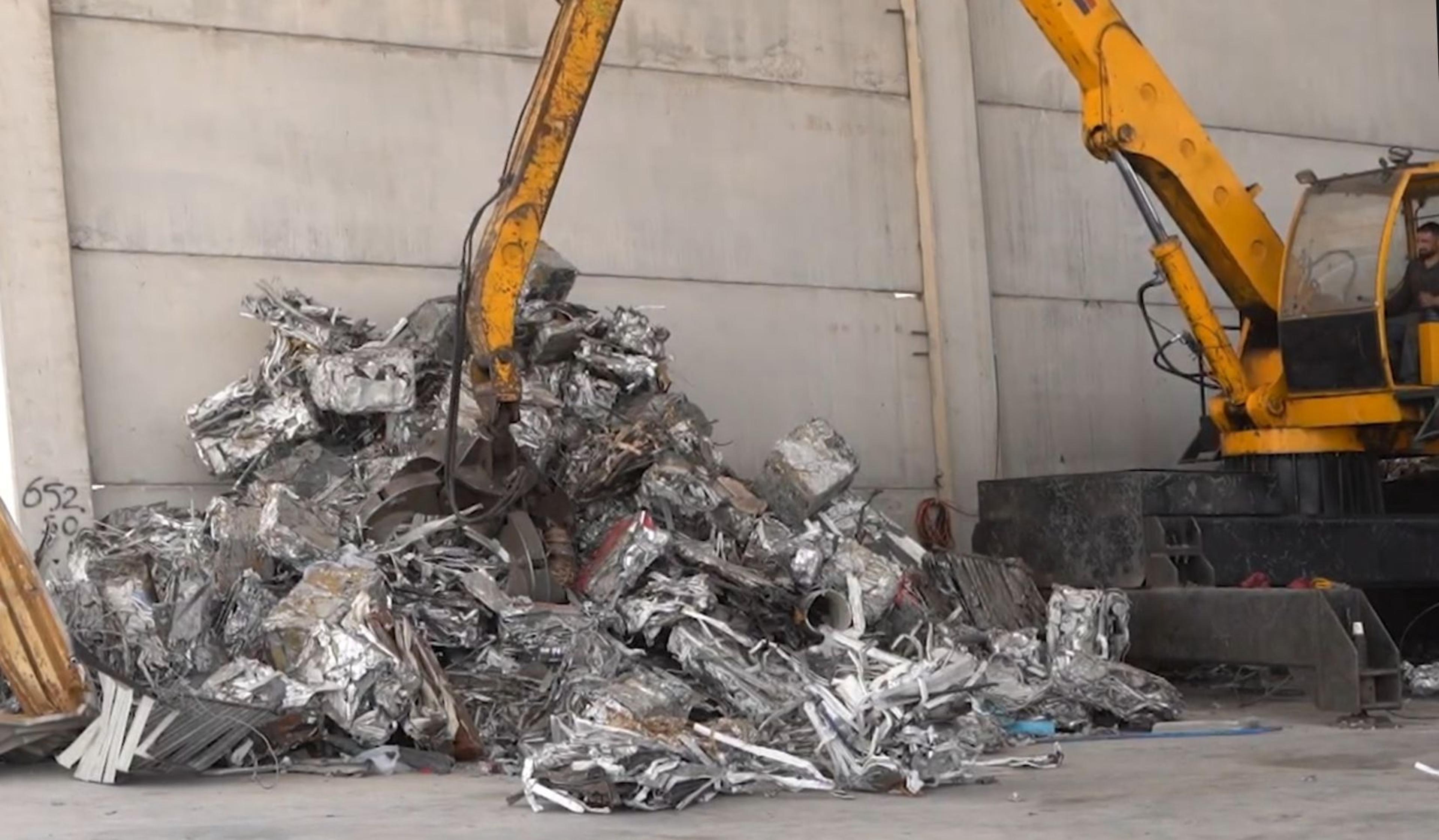
Aluminium Recycling Plants
Aluminium is readily recyclable, and today secondary aluminium accounts for nearly one-third of global aluminium consumption. BAS® Aluminium Recycling Plant — Ferrous / Non-Ferrous Metal Separation. To obtain the maximum yield from different scrap types, scrap must be optimised and prepared for processing, charging and melting; it must be possible to feed the furnace faster than its melting rate. Various scrap-preparation techniques such as hand sorting and size reduction are applied; some scrap may require multiple processing steps.